
How to Overcome Fear of Whitewater Rafting
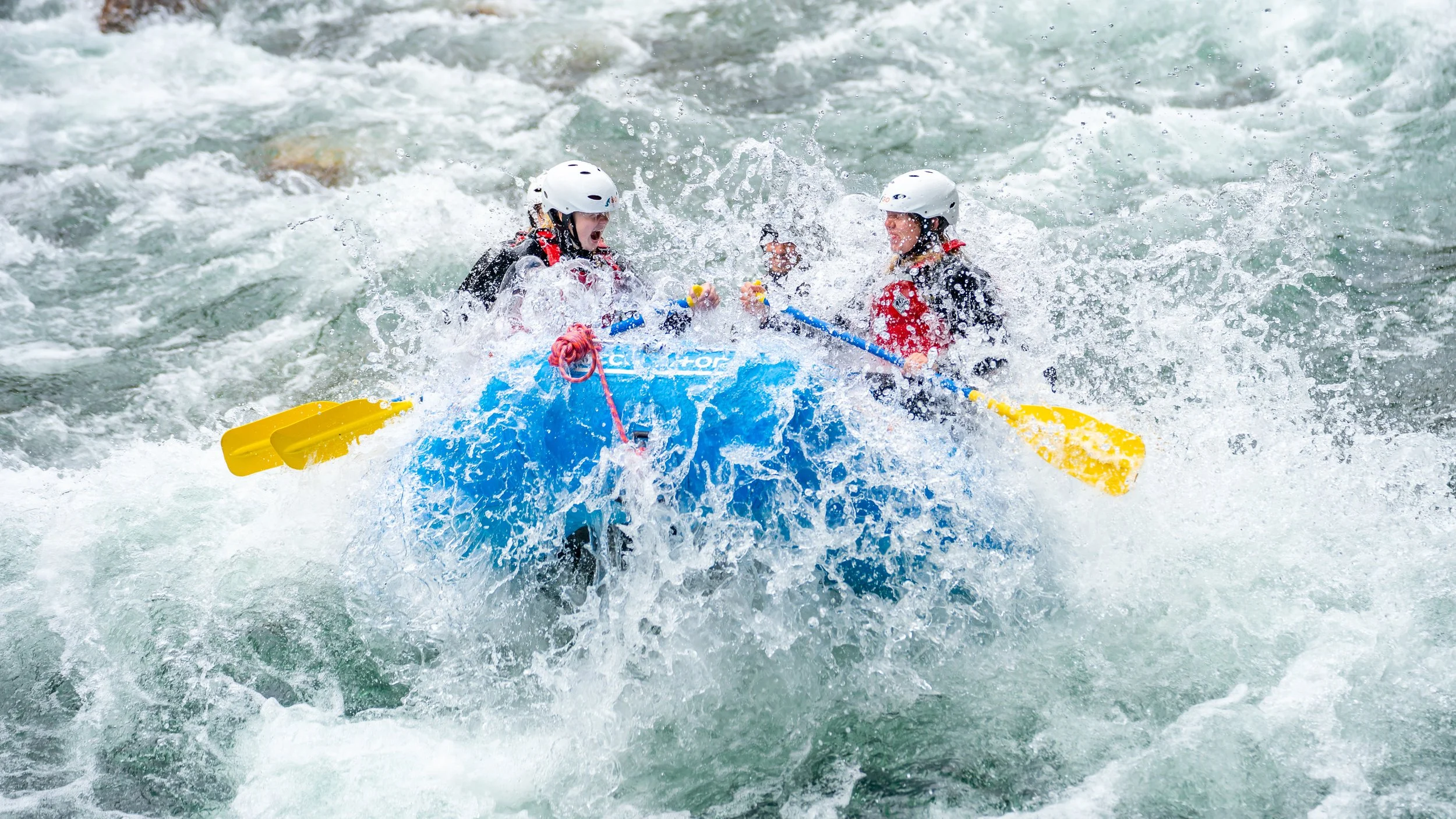
For many people, the thought of charging through waves and navigating rapids on a river sounds exhilarating. But for others, the idea of whitewater rafting can spark nerves, hesitation, or even outright fear. Feeling anxious before a rafting trip is more common than you may think. At Deschutes River Adventures, guides often meet guests who arrive with butterflies in their stomachs, unsure of what to expect. The good news? Fear of rafting is completely natural—and with the right preparation and mindset, it can be transformed into confidence, excitement, and a life-changing experience.
This guide provides practical, supportive advice for overcoming whitewater anxiety, whether you’re new to rafting, afraid of water, or simply nervous about stepping into something outside your comfort zone.
1. Understand the Source of Your Fear
Fear often stems from the unknown. Nervous rafters usually worry about one or more of these common concerns:
Fear of Water or Drowning: Many people imagine being swept away by the current.
Fear of Rapids: The noise and movement of rushing water can look intimidating.
Fear of Losing Control: It’s natural to feel uneasy when you’re not steering your own boat.
Fear of Safety Risks: Worries about accidents or capsizing often top the list.
By identifying what specifically makes you nervous, you can address the issue head-on. For example, if you’re worried about swimming, remember that rafting outfitters supply personal flotation devices (PFDs) designed to keep you afloat. If rapids look intimidating, keep in mind that rivers are rated by difficulty, and beginner-friendly routes are designed to be thrilling without being overwhelming.
2. Learn About the Safety Measures
Knowledge is power, and when it comes to rafting, safety standards are high. Professional outfitters like Deschutes River Adventures provide extensive training to guides and supply all required gear to keep guests safe. Here’s what most nervous rafters find reassuring:
Personal Flotation Devices (PFDs): Worn at all times, they keep you buoyant even if you end up in the water.
Helmets: Protect your head in case of unexpected bumps.
Guide Instruction: Before every trip, you’ll receive a thorough safety briefing and paddling instruction.
River Ratings: Trips are categorized by difficulty. Beginners start with Class I–III rapids, which are fun yet manageable.
According to the American Whitewater Association, commercial rafting trips have an excellent safety record, with incident rates significantly lower than many other adventure sports. Knowing that systems are in place to protect you makes it easier to relax and enjoy the experience.
3. Start Small and Build Confidence
You don’t have to jump straight into advanced rapids to experience rafting. Start with an easier section of river designed for beginners. These trips feature gentle waves, smaller drops, and plenty of calm stretches in between rapids.
At Deschutes River Adventures, many first-timers choose half-day trips with Class II–III rapids. These runs provide enough excitement to feel adventurous while also offering time to practice paddling and get comfortable on the water. By gradually building your experience, your confidence will grow naturally.
If possible, bring a trusted friend or family member along. Sharing the adventure with someone supportive can make the entire journey feel less intimidating.
4. Focus on Breathing and Staying Present
Anxiety often escalates when you focus too much on “what if” scenarios. Instead, practice staying in the moment.
Controlled Breathing: Take slow, steady breaths before and during rapids. This helps keep nerves in check.
Positive Self-Talk: Replace thoughts like “I can’t do this” with “I am prepared, and my guide is here to keep me safe.”
One Rapid at a Time: Break the experience into sections. Focus on the rapid in front of you rather than the entire river.
Just like athletes use mental preparation before games, practicing calming techniques will help you feel more in control.
5. Trust Your Guide and Team
Perhaps the most important step in conquering fear is realizing you’re not alone. Professional river guides are highly trained in both technical skills and guest support. They’re there to steer, instruct, and reassure you throughout the trip.
At Deschutes River Adventures, guides emphasize teamwork, teaching you how to paddle effectively and communicate as a group. Once you start working together with your crew, fear begins to fade and is often replaced by laughter, camaraderie, and adrenaline-fueled joy.
6. Celebrate the Small Wins
Confidence grows with each success. When you paddle through your first rapid, stay balanced in the raft, or simply choose to face the adventure despite your nerves, you’re already overcoming your fear. Celebrate those victories.
Many rafters who start their journey feeling anxious end up finishing with huge smiles and stories to share. Guests frequently say their biggest surprise was how empowering rafting felt once they gave it a try.
FAQs: Common Concerns About Fear of Rafting
What if I fall out of the raft?
Your guide will teach you how to respond calmly. With your PFD, you’ll float and be guided back into the boat quickly. Falling out is less dramatic than most people imagine.
Is rafting safe for kids or teens?
Yes. Many outfitters offer family-friendly routes with age-appropriate rapids. Safety gear and trained guides make rafting a great youth adventure.
How do I know which trip is right for me?
Talk to your outfitter about your comfort level. Start with beginner-friendly trips before working your way up to more challenging rapids.
Can fear actually enhance the experience?
In small doses, yes. Nervous excitement can make the adventure feel even more rewarding once you overcome it.
Facing the river may feel intimidating at first, but with preparation, trust, and the right support, rafting can turn from a source of anxiety into a highlight of your life.
If you’re ready to take the leap, contact Deschutes River Adventures today. Their team of experienced guides is dedicated to helping you overcome fear, build confidence, and create unforgettable memories on the river.