
Sustainable Whitewater Rafting Practices
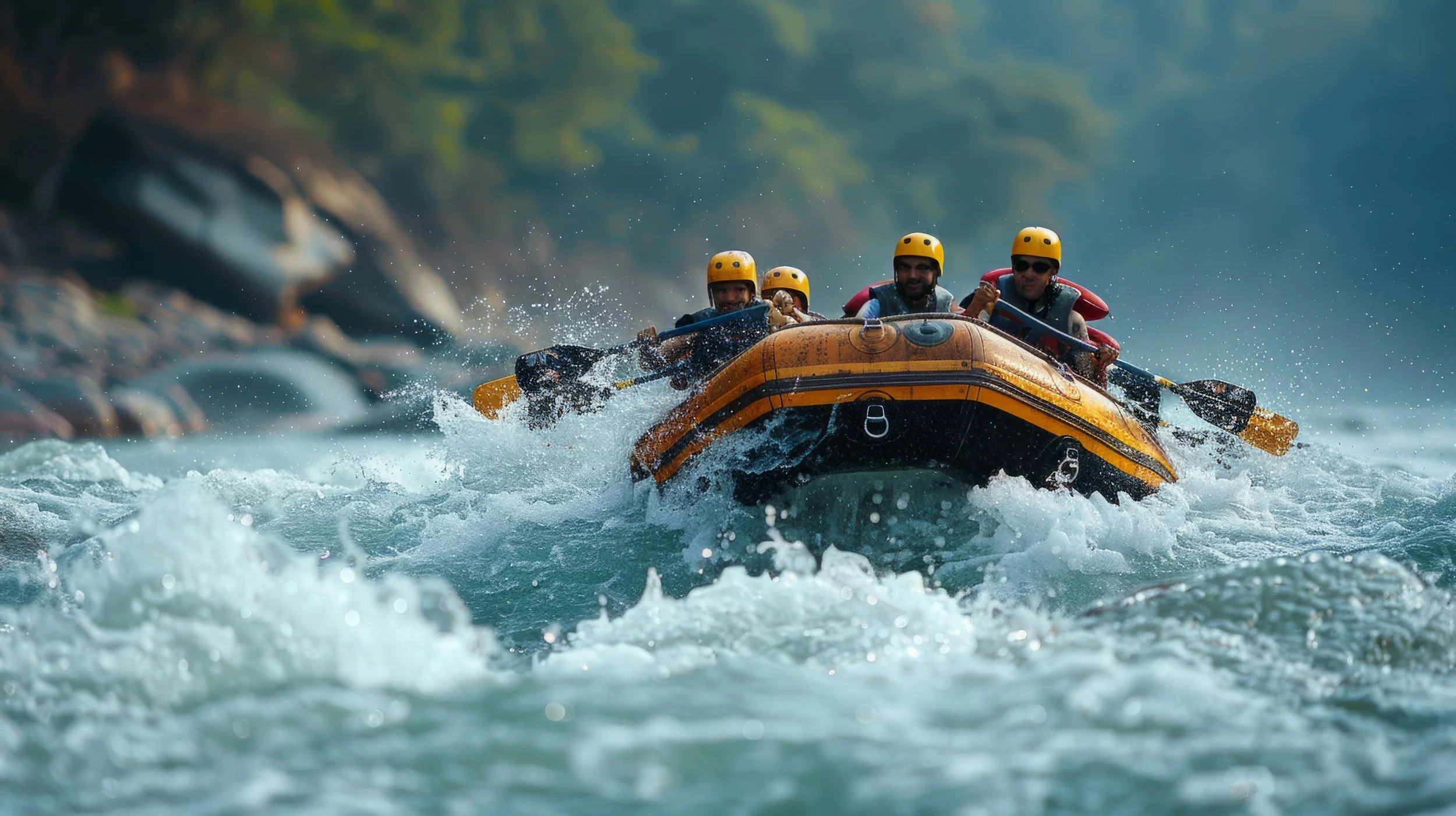
Whitewater rafting is one of the most exhilarating ways to explore Oregon’s pristine rivers, from the rushing rapids of the Deschutes to the quieter stretches where wildlife thrives. But with every paddle stroke comes a responsibility: to ensure these waterways remain healthy and vibrant for generations to come. At Deschutes River Adventures, protecting the river is part of every trip, blending excitement with education so that guests leave with not only unforgettable memories but also a deeper appreciation for conservation. Practicing eco-friendly rafting is about more than following rules—it’s about becoming a steward of the river.
1. Leave No Trace on the River
The most fundamental principle of sustainable rafting is to minimize human impact. The Leave No Trace Center for Outdoor Ethics provides seven key guidelines, but several apply directly to rafting:
Pack It In, Pack It Out: Every item brought onto the raft—snacks, bottles, wrappers—must come back off. Even biodegradable food scraps can harm river ecosystems.
Respect Campsites: For multi-day rafting trips, set up camp in designated areas to avoid disturbing habitats. See our multi-day raft rentals for responsible options.
Dispose of Waste Properly: Many outfitters use portable toilet systems to ensure human waste doesn’t enter the river.
The Deschutes River, managed by the Bureau of Land Management (BLM), enforces strict rules around waste disposal and campsite use. These policies protect fragile habitats along the riverbanks and ensure the experience remains pristine for future visitors.
2. Choose Eco-Friendly Gear and Practices
Rafting sustainably extends beyond behavior on the water—it also involves the gear you use.
Reusable Water Bottles: Single-use plastics are a major pollutant. Outfitters encourage guests to bring durable bottles with carabiners to clip inside the raft.
Reef-Safe Sunscreen: Chemicals in traditional sunscreens can harm aquatic life. Mineral-based formulas using zinc oxide or titanium dioxide are safer options.
Clothing Choices: Quick-dry synthetic fabrics last longer than cotton, reducing waste from frequent replacement.
Shared Transport: Carpooling or using outfitter shuttles reduces emissions from multiple vehicles at launch and take-out sites.
These small decisions add up. According to the Oregon Department of Environmental Quality, reducing plastic and chemical runoff is one of the most effective ways to maintain river health.
3. Respect Wildlife and River Ecology
Oregon’s rivers support a diverse array of species, from bald eagles and ospreys to salmon and otters. Responsible rafters play a role in protecting them.
Observe from a Distance: Avoid approaching nesting birds or animals on the shoreline.
Stay in the Raft: Don’t trample vegetation along the banks or disturb spawning grounds.
Fish Responsibly: If fishing is part of your trip, follow local regulations and consider catch-and-release to maintain populations.
The Deschutes River, in particular, is home to sensitive fish species, including wild steelhead. Sustainable rafting practices help protect their spawning grounds while allowing rafters to enjoy the natural beauty responsibly. Learn more about our guided trips that emphasize river stewardship.
4. Support Conservation-Minded Outfitters
One of the best ways to ensure your rafting trip is eco-friendly is to book with an outfitter that prioritizes sustainability. At Deschutes River Adventures, guides are trained to follow BLM regulations, teach guests about the river’s ecology, and implement environmentally conscious practices on every trip.
Look for outfitters that:
Follow strict waste management practices.
Participate in river clean-up projects.
Educate guests about local ecosystems.
Advocate for conservation through partnerships with environmental organizations.
By supporting companies that value sustainability, rafters indirectly contribute to broader conservation efforts across Oregon’s waterways.
5. Advocate for the River Beyond the Trip
Eco-friendly rafting doesn’t end when you leave the river. Advocating for water conservation and responsible recreation ensures long-term protection.
Volunteer for River Cleanups: Many Oregon communities host annual events to remove trash from rivers.
Support Policy Efforts: Conservation groups often work to secure funding and protections for waterways.
Share the Message: Educating friends and family about sustainable rafting encourages a ripple effect of responsible behavior.
According to American Rivers, a national conservation group, community involvement is a critical factor in protecting and restoring the 3 million miles of rivers in the U.S. By speaking up and acting locally, rafters help preserve the places they love.
FAQs: Eco-Friendly Rafting Questions
Do outfitters provide eco-friendly gear?
Yes. Many, including Deschutes River Adventures, provide reusable equipment, proper waste systems, and river-friendly sunscreen recommendations.
Can one rafting trip really impact the environment?
Yes. Even small actions, like leaving trash or trampling vegetation, can accumulate when repeated by thousands of visitors. Responsible practices make a big difference.
How can families with kids raft sustainably?
Teach children the basics of Leave No Trace. Encourage them to pack out snacks, respect wildlife, and understand why protecting rivers matters.
Is rafting still fun with all these rules?
Absolutely. Most sustainable practices are simple habits that don’t detract from the adventure. In fact, many rafters find trips more rewarding when they know they’re helping preserve the river.
Whitewater rafting offers couples, families, and adventurers a chance to connect with nature in unforgettable ways. By practicing sustainable habits, you ensure that Oregon’s rivers remain wild, clean, and beautiful for future generations.
Ready to experience the thrill of rafting while protecting the river you love? Contact Deschutes River Adventures to plan your eco-friendly rafting trip today.